Yeast for red wines Zymaflore EDEN (500 gr)
Beschreibung
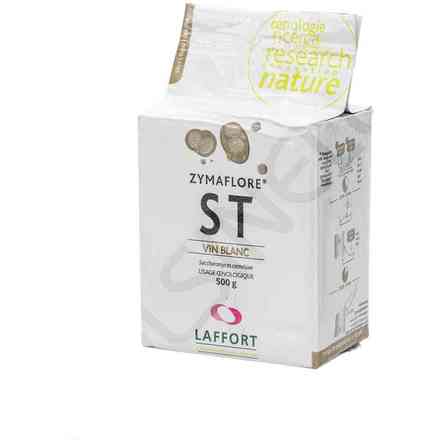
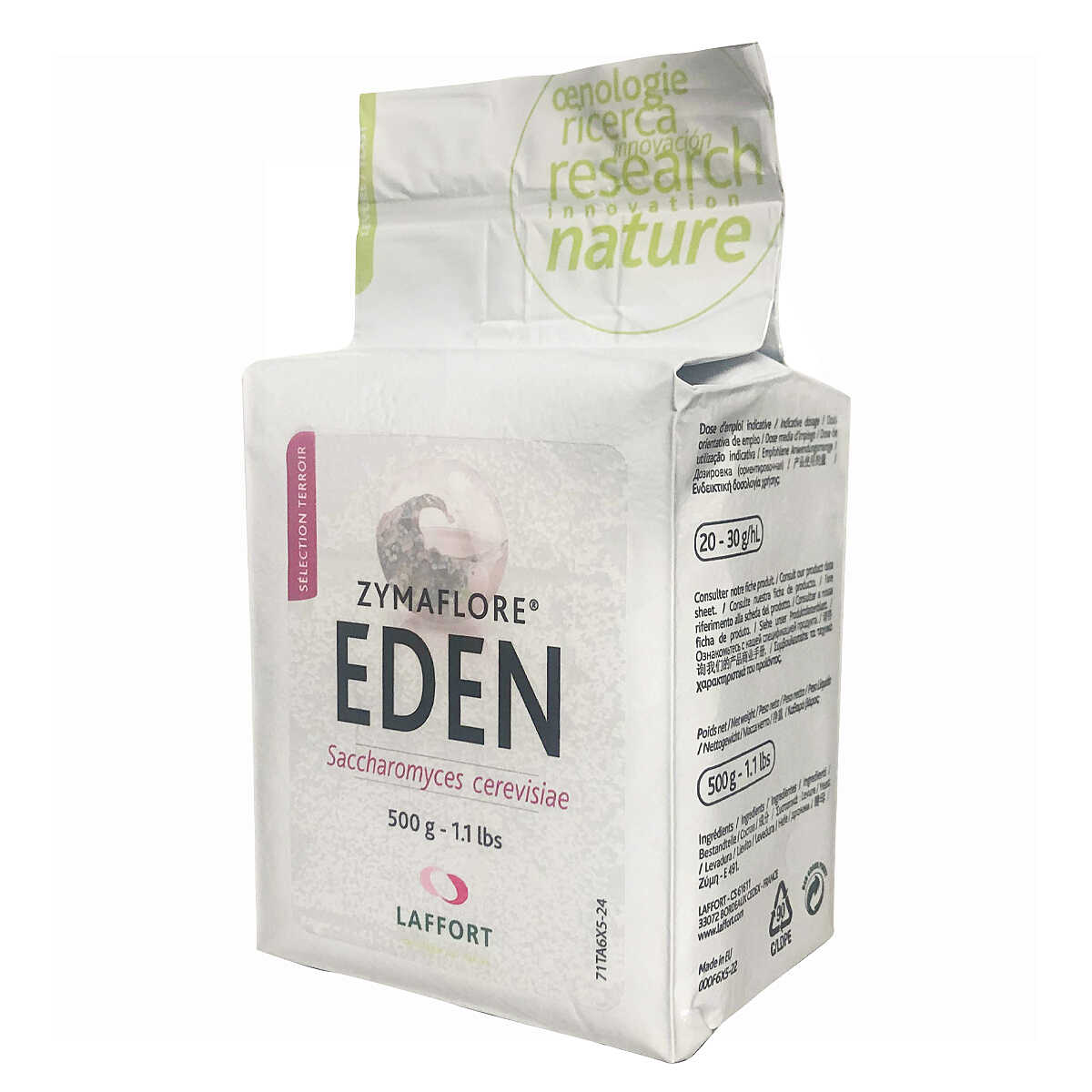
Yeast for red wines ZYMAFLORE® EDEN (500 gr)
Saccharomyces cerevisiae yeast for fruity, spicy and lush red wines. Selected Active Dry Yeast (ADY), non GMO, for oenological use. Suitable for the preparation of products intended for direct human consumption, in the scope of regulated use in oenology. Complies with Commission Regulation (EU) 2019/934.
Specific Characteristics and Oenological Properties
The result of mass selection, ZYMAFLORE™ EDEN stands out for its unique organoleptic profile combined with robust fermentation kinetics. This strain is suited to the production of supple, complex and well-balanced red wines.
Fermentation Characteristics:
- Fermentation temperature (optimum): 20 - 30°C (68 - 86°F).
- High nitrogen requirement.
- Exceptional technological characteristics: short lag phase and robust fermentation kinetics.
- Low production of volatile acidity, SO2 and H2S.
Aromatic Characteristics:
- Favours fruit expression accentuated by refreshing peppery notes.
- Contributes to suppleness, volume and length on the palate.
- Results in wines that are expressive, lush and unique.
Experimental Results
Compared with other strains on the market, ZYMAFLORE™ EDEN favours the aromatic expression of fruit, spices and flowers and adds suppleness on the palate. Trials on Merlot, France, 2023, 13.2% ABV, pH 3.6. Thiols accentuate the intensity of fruit and spices, with refreshing notes. Trials on Syrah, France, 2023, 15% ABV, pH 3.8.
Physical Characteristics
- Dehydrated and vacuum-packed yeasts
- Appearance: granules
Chemical and Microbiological Analysis
- Humidity (%): < 8
- Viable SADY cells (CFU/g): ≥ 2.1010
- Lactic acid bacteria (CFU/g): < 105
- Acetic acid bacteria (CFU/g): < 104
- Yeasts of a genus other than Saccharomyces (UFC/g): < 105
- Yeasts of a different genus, species or strain (%): < 5
- Coliforms (UFC/g): < 102
- E. coli (/g): None
- Staphylococcus (/g): None
- Salmonella (/25 g): None
- Moulds (CFU/g): < 103
- Lead (ppm): < 2
- Arsenic (ppm): < 3
- Mercury (ppm): < 1
- Cadmium (ppm): < 1
Protocol For Use
Oenological Conditions:
- Inoculate as soon as possible after filling the tank.
- Comply with the specified doses to ensure proper establishment of the yeast even when there is a high population of indigenous yeasts.
- Temperature, quality of rehydratation and cellar hygiene are also essential for proper establishment.
Dose:
- 20 - 30 g/hL.
Addition
- Carefully follow the yeast rehydration protocol.
- Avoid temperature differences greater than 10°C between the must and the starter. The total preparation time for the starter should not exceed 45 minutes.
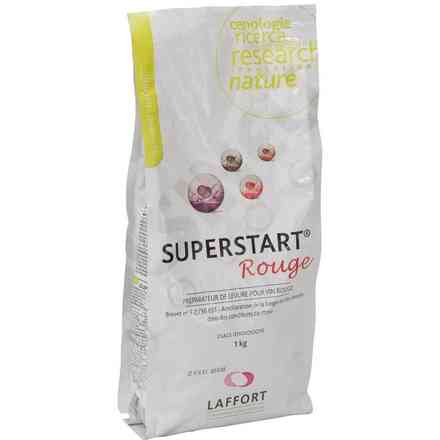
- In the case of particularly difficult fermentation conditions (very low temperature, highly clarified must, very high potential alcohol) and/or to optimise the aromatic performance of the yeast, use SUPERSTART™ ROUGE in the rehydration water.
Storage Recommendation
- Store off the ground in the original unopened packaging at a moderate temperature in a dry area not liable to impart odours.
- Optimal date of use: 4 years
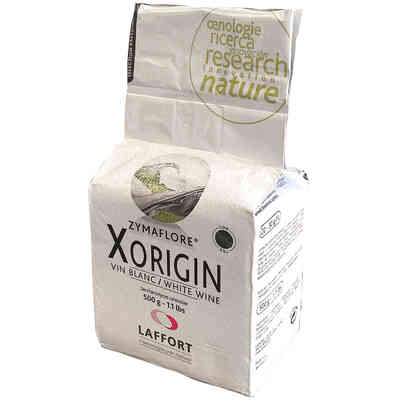
Packaging
- 500 g vacuum bag